Problem Definition
Environmental Planting (EP) projects offer a promising avenue for producers to diversify farm income through carbon abatement and environmental co-benefits. Yet, participation—particularly in the mixed farming zones of New South Wales—remains low. A primary barrier is the limited visibility of farm-level economics, including impacts on land value, carrying capacity, project costs, and returns compared with traditional agricultural enterprises.
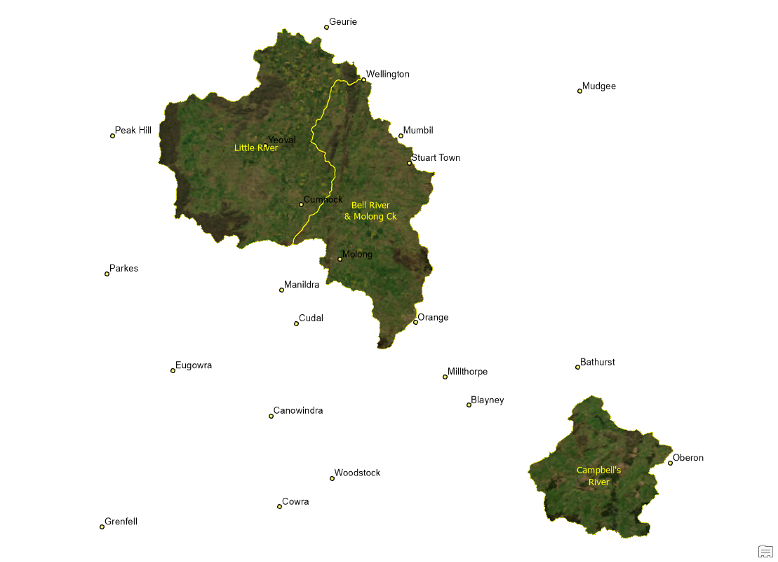
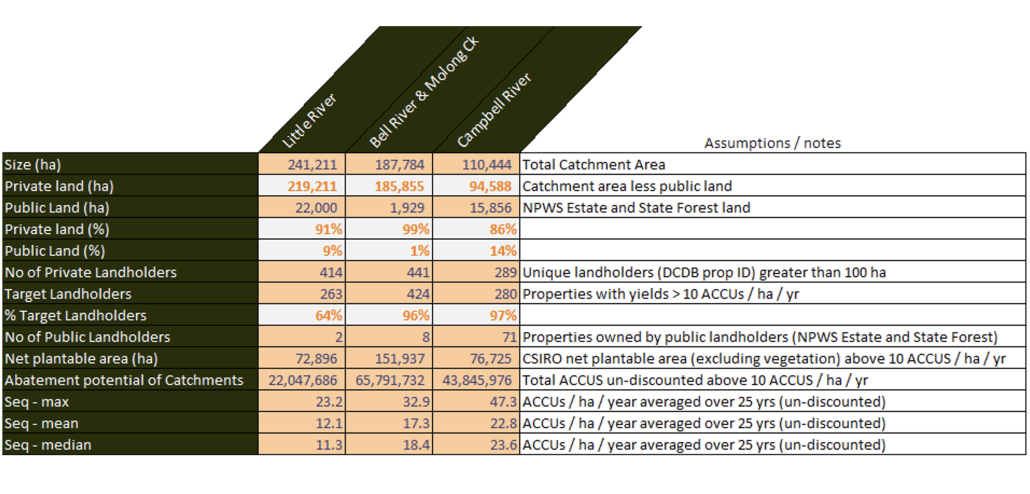
The Restoration Economics project aims to accelerate adoption of small-scale (~20 ha) biodiverse EP initiatives across strategically selected locations in the Little River, Bell River, and Campbell River catchments within the NSW Central Tablelands, with 15 case-studies and demonstration sites. Representing upper, mid, and lower landscapes of the western slopes of the Great Dividing Range, these catchments serve as practical case studies for producers statewide.
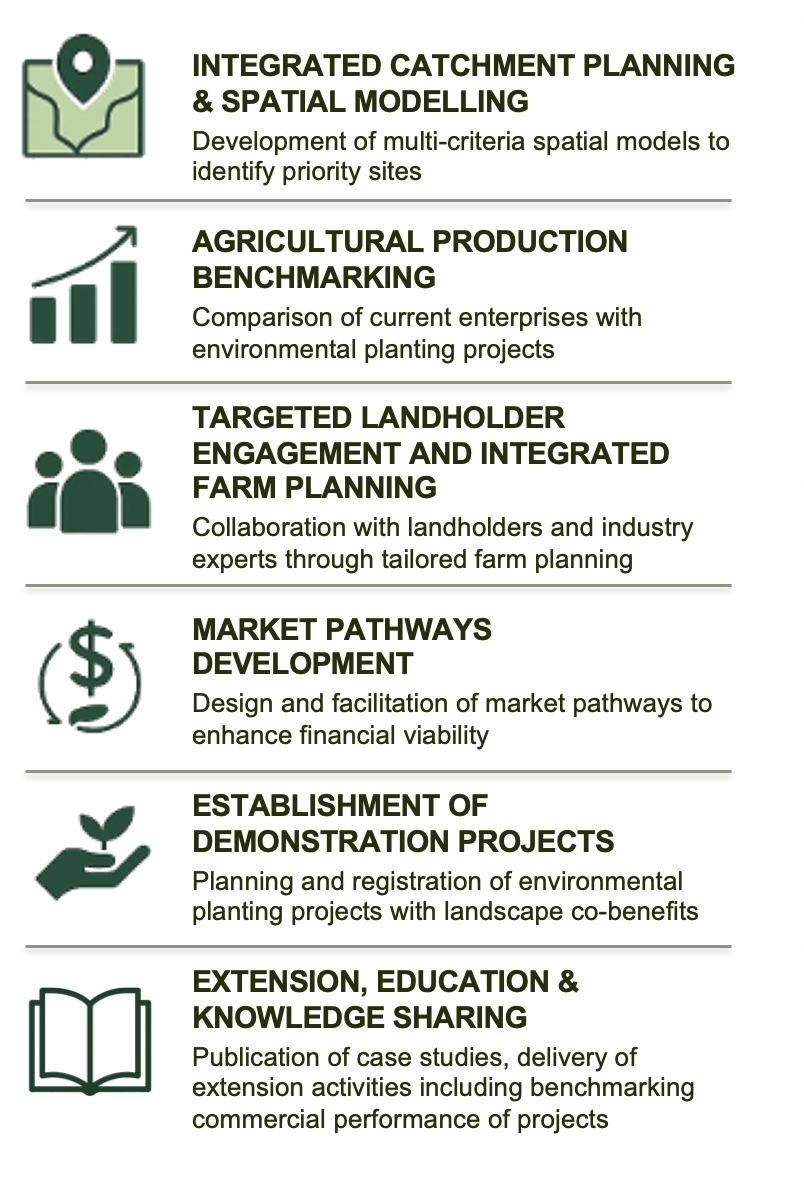
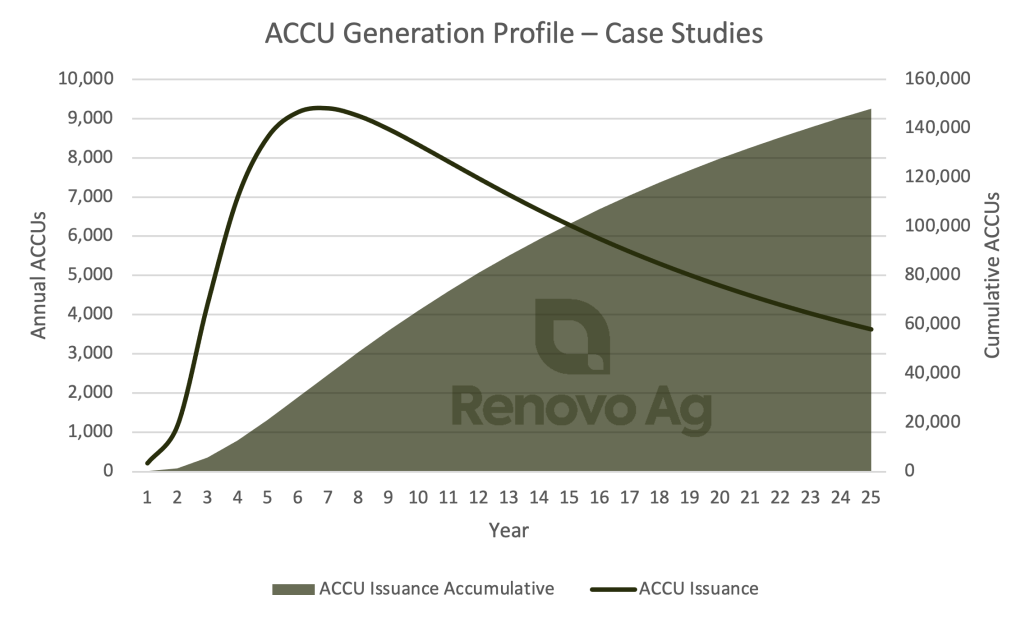
Although small-scale EP projects present substantial carbon abatement opportunities, they are typically bypassed by carbon developers due to the perceived inefficiencies of commission-based, scale-driven models. This project addresses that gap by demonstrating how small-scale EP projects can integrate seamlessly into production landscapes, delivering tangible co-benefits while remaining economically viable. It promotes an independent & ‘fee-for-service’ approach whereby individual producers act as carbon project proponents, supported by targeted advisory services rather than broad-scale aggregators or commission-based developers.
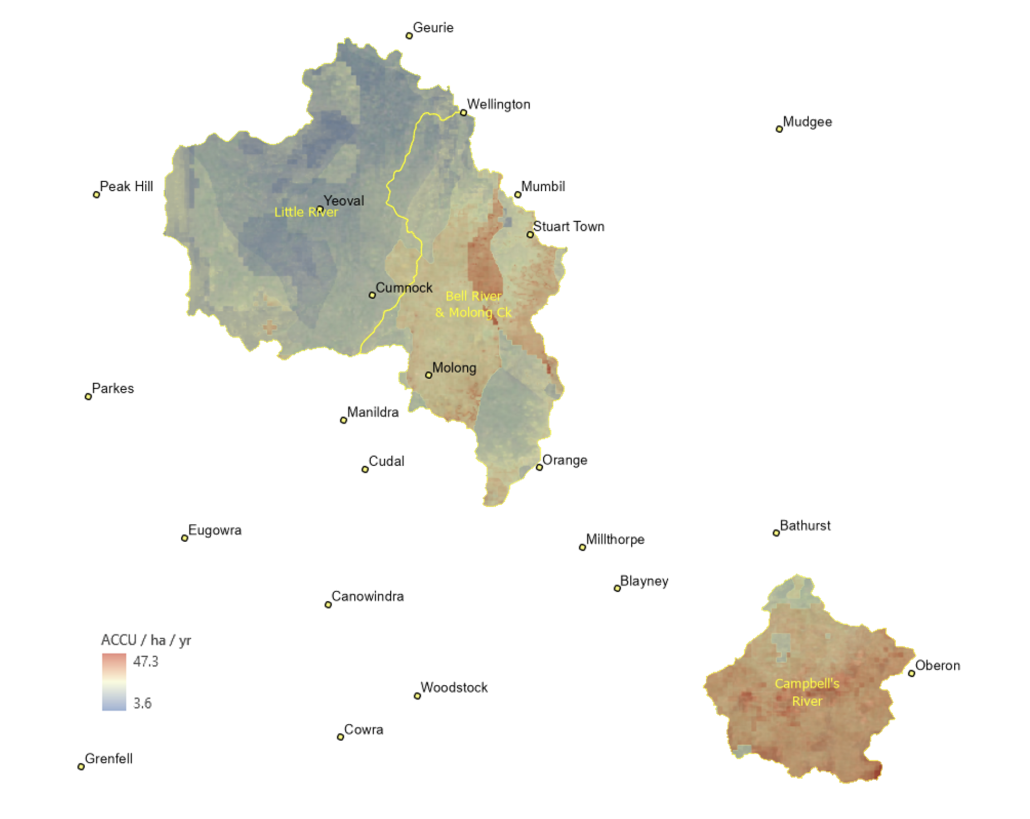
A central innovation of this project is the prioritization of areas where carbon returns are comparable to, or exceed, current agricultural land uses. By identifying economically attractive sites and layering environmental co-benefits—such as erosion control, biodiversity enhancement, and improved water quality—the project aims to foster genuine land-use change and increase producer participation.
Each catchment will include benchmarking of agricultural returns and comprehensive financial modeling to provide accurate gross margin comparisons. This data-driven approach will enable producers to make informed decisions and ensure that environmental outcomes are grounded in commercial reality.